oem-odm · B2B PROCUREMENT
Silicone Print Hoodie Manufacturer: Raised Logo Guide
By Weavnora · Updated
Direct answer
What buyers need to know
Silicone print hoodie manufacturer programs screen print silicone ink onto fleece hoodies to create flat, matte, glossy or raised rubber-like logos. Most brands choose 300-400 GSM cotton fleece, print layers 0.3-1.5 mm thick, approve a strike-off in 7-12 days and receive bulk 30-45 days after approval. MOQ depends on style and fabric.
Silicone print hoodie manufacturer programs screen print silicone ink onto fleece hoodies to create flat, matte, glossy or raised rubber-like logos. Most brands choose 300-400 GSM cotton fleece, print layers 0.3-1.5 mm thick, approve a strike-off in 7-12 days and receive bulk 30-45 days after approval. MOQ depends on style and fabric.
Silicone printing gives hoodies a premium, technical feel. Logos can be crisp and flat with a soft rubber touch, glossy like a moulded badge or raised into sharp three-dimensional shapes. Unlike plastisol, silicone stays flexible, resists cracking and survives many washes when cured properly. It is popular with streetwear labels, fitness-inspired lifestyle brands and merch programs that want a modern finish. Silicone is also less forgiving than standard inks, so choosing an experienced manufacturer matters. This guide explains how a silicone print hoodie manufacturer works and what to check before bulk.
What is a silicone print hoodie manufacturer?
A silicone print hoodie manufacturer is a factory that sews fleece hoodies and decorates them with silicone ink applied through screens, building flat, matte, glossy or raised three-dimensional logos that feel rubbery and flexible, then cures the ink with heat so it bonds to the cotton surface. A typical program uses 300-400 GSM cotton fleece, prints 0.3-1.5 mm thick depending on layers, and needs 7-12 days for a strike-off sample.
How does silicone printing work on hoodies?
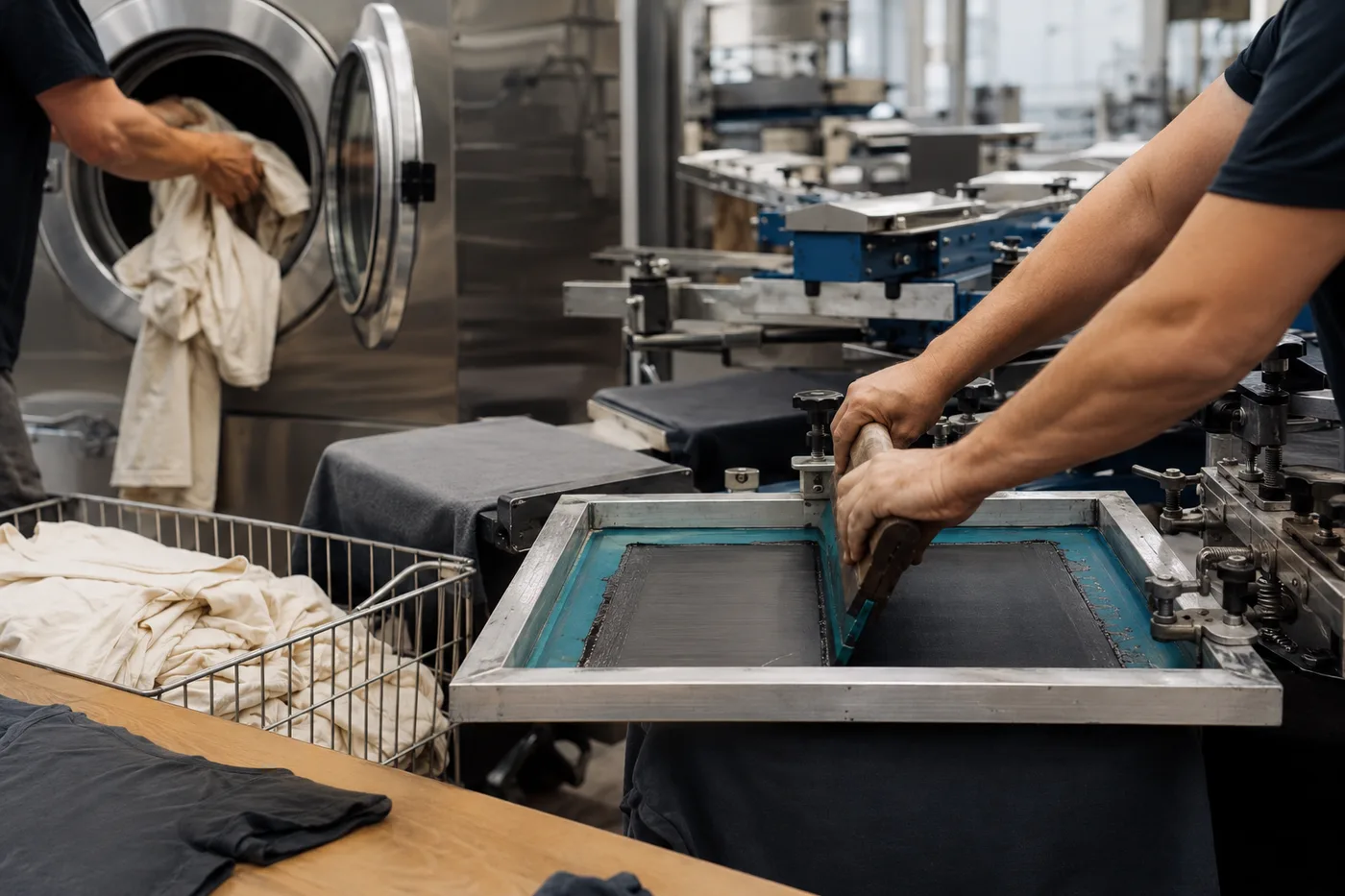
Silicone printing uses screen printing equipment with special inks and process controls:
- Artwork separation. The design is split into layers for base, colour and any raised areas.
- Screen preparation. Thick emulsion or capillary film is used for raised effects so the stencil holds more ink.
- Base layer. A primer or base silicone layer is printed to bond with fleece fibres.
- Build layers. Colour and height are built with repeated passes, often with flash curing between layers.
- Top coat. A matte, gloss or soft-touch top coat sets the final finish.
- Curing. The hoodie passes through a tunnel dryer at a controlled temperature and time so silicone fully cross-links.
Silicone inks have a working life once catalyst is added, so factories mix small batches and plan production carefully.
Considering silicone logos? Weavnora sews heavyweight hoodies and runs specialty prints including silicone, high density and puff, confirming thickness, feel and wash results on a strike-off before bulk. See our special printing page for the base styles and fabrics we work with, then request a quote with your style, fabric and quantities. MOQ depends on style and fabric, so we confirm it in your quote.
Which silicone print effects are available?
- Flat silicone. A thin layer with a soft, rubbery handfeel and sharp edges.
- Raised or 3D silicone. Multiple layers create height for logos and lettering.
- High-gloss silicone. A glossy top coat that looks like a moulded patch.
- Matte or soft-touch silicone. A velvety finish popular for tonal designs.
- Reflective or metallic additives. Special pigments for accents.
Height is usually 0.3-1.5 mm. Very tall prints look striking but feel stiff on a hoodie chest and can be less comfortable.
Silicone vs high density vs puff print: which option fits?
| Selection criteria | Silicone print | High density print | Puff print |
|---|---|---|---|
| Ink base | Silicone | Thick plastisol | Plastisol with foaming agent |
| Edge sharpness | Very sharp | Very sharp | Rounded, soft |
| Handfeel | Rubbery, flexible | Firm, smooth | Spongy, soft |
| Crack resistance | High | Medium | Medium |
| Stretch recovery | Good | Fair | Fair |
| Best for | Premium technical logos | Sharp raised graphics | Retro raised text |
The trade-offs are cost and set-up versus durability and finish. Silicone usually costs more and needs more careful process control, but stays flexible and resists cracking. High density gives crisp height at a lower ink cost, and puff gives a softer retro look. Compare the alternatives in our high density print hoodie and puff print hoodie guides.
Which hoodies and fabrics work best?
Silicone bonds best to a stable, smooth surface:
- Cotton fleece in 300-400 GSM gives a firm base and holds detail well.
- French terry works, but the looped back makes no difference to face printing; face smoothness matters more.
- Garment-dyed or washed hoodies can be printed, but softeners can reduce adhesion, so print before washing or use the right primer.
- Polyester blends can cause dye migration in some colours; a blocker base may be needed.
Placement matters too. Silicone on a kangaroo pocket seam or across a zip will not lie flat. Keep raised logos on flat areas such as the centre chest, back or sleeve.
What artwork rules should you follow?
- Minimum line thickness of about 1-1.5 mm for raised effects.
- Keep gaps between raised elements wide enough for screens to release cleanly.
- Limit large solid raised areas, which feel heavy and stiff.
- Provide vector files with clear layer instructions for base, colour and height.
- Show Pantone references for colours; silicone pigments are mixed to match.
Our silicone print t-shirt manufacturer guide covers artwork for lighter jersey garments, which is useful if you plan matching tees.
What should you test on a strike-off?
- Adhesion. Bend and stretch the print; it should not lift at edges.
- Wash durability. Wash at least five times inside out and check cracking, peeling and gloss loss.
- Height and feel. Measure thickness and confirm it matches the approved level.
- Colour. Compare with your Pantone references under consistent light.
- Curing. Ask how the factory confirms full cure, such as a scratch or tack test after cooling.
How should you brief a silicone print order?
A clear brief prevents most silicone problems. Include the hoodie style and fleece colour, print location and size in centimetres, the effect you want for each part of the logo (flat, raised, gloss or matte), Pantone references and a photo of any reference garment you like. State whether the hoodie will be washed or garment dyed after printing, because that changes the primer and curing plan. If you are building a range, list every colourway at the start so the factory can test ink adhesion on light and dark fleece in the same sampling round. Finally, agree how many strike-off rounds are included and who signs off the approved sample that inspectors will use during bulk.
What drives silicone print hoodie pricing?
Pricing depends on print size, number of layers and colours, height, screen preparation and curing time. Raised multi-layer silicone takes several passes and slows the press, so it costs more than flat prints. Quantity matters because screens and set-up are spread across fewer pieces on small orders. Our hoodie printing cost per piece guide explains the main print cost drivers, and the screen printed hoodie manufacturer guide covers standard print options. For complete development steps, see our custom hoodie and sweatshirt manufacturing guide.
Silicone print hoodie manufacturer: typical specs and key numbers
| Spec | Typical estimate range |
|---|---|
| Hoodie fleece weight | 300-400 GSM |
| Silicone print thickness | 0.3-1.5 mm |
| Minimum raised line width | 1-1.5 mm |
| Strike-off sample time | 7-12 days |
| Bulk production after approval | 30-45 days |
| Wash test before approval | 5-10 washes |
| MOQ (pcs per style and colour) | Depends on style and fabric; confirmed in your quote |
These are typical industry estimate ranges for planning, not quotes; confirm actual figures with your supplier for your fabric, quantity and destination.
Key takeaways
- A silicone print hoodie manufacturer screen prints silicone ink for flat, matte, glossy or raised logos.
- Silicone stays flexible and resists cracking better than most plastisol effects.
- Keep raised prints on flat areas and follow minimum line widths of about 1-1.5 mm.
- Test adhesion, wash durability, height and colour on a strike-off before bulk.
- Pricing depends on print size, layers, height and quantity.
Request a silicone print hoodie quote
Ready to test silicone on your hoodie? Send your tech pack or reference images, fabric preference, colours and quantities through our quote request form. MOQ depends on style and fabric, so we confirm it in your quote together with sampling time, approval steps and an itemised price.
Buyer questions
Frequently asked questions
What is a silicone print hoodie?
It is a fleece hoodie decorated with silicone ink, giving a flexible, rubbery logo that can be flat or raised.
Does silicone print crack?
Properly cured silicone stays flexible and resists cracking better than most plastisol prints.
How thick can a silicone print be?
Most raised silicone prints are about 0.3-1.5 mm thick depending on layers.
Can silicone be printed on washed hoodies?
Yes, but softeners can affect adhesion, so we test primers or print before washing.
What is the MOQ for silicone print hoodies?
MOQ depends on style and fabric, so we confirm it in your quote.
Start a sourcing conversation
Share quantity, target GSM, destination and sample requirements.
Start your RFQ →Email files to postmaster@weavnora.com.