oem-odm · B2B PROCUREMENT
Pigment Print Hoodie Manufacturer: Soft Prints Guide
By Weavnora · Updated
Direct answer
What buyers need to know
Pigment print hoodie manufacturer means a factory that prints hoodies with pigment-based inks that bond to cotton fibres for a soft, matte finish. Typical programs use 300-400 GSM cotton-rich fleece, curing at 150-170 C for 2-4 minutes, strike-offs in 5-10 days and bulk in 25-40 days. MOQ depends on style and fabric.
Pigment print hoodie manufacturer means a factory that prints hoodies with pigment-based inks that bond to cotton fibres for a soft, matte finish. Typical programs use 300-400 GSM cotton-rich fleece, curing at 150-170 C for 2-4 minutes, strike-offs in 5-10 days and bulk in 25-40 days. MOQ depends on style and fabric.
Many brands want hoodie prints that feel like part of the fabric rather than a sticker on top. Pigment printing is one of the main ways to get there. It sits between thick plastisol prints and dye-based discharge prints: softer than the first, more colour-flexible than the second. Pigment inks are also common in printed fabric and in some water-based systems, so the term can be confusing. This guide explains what pigment printing means on hoodies, how it compares with other inks, and what to specify so the print stays soft and durable in bulk.
What is a pigment print hoodie manufacturer?
A pigment print hoodie manufacturer is a factory that decorates hoodies using pigment inks, where colour particles are held on the cotton by a binder rather than dyeing the fibre or forming a thick plastic layer. The result is a soft, matte print that ages gently in washing. Most programs use 300-400 GSM cotton-rich fleece and cure prints at around 150-170 C for 2-4 minutes.
How does pigment printing work on fleece?
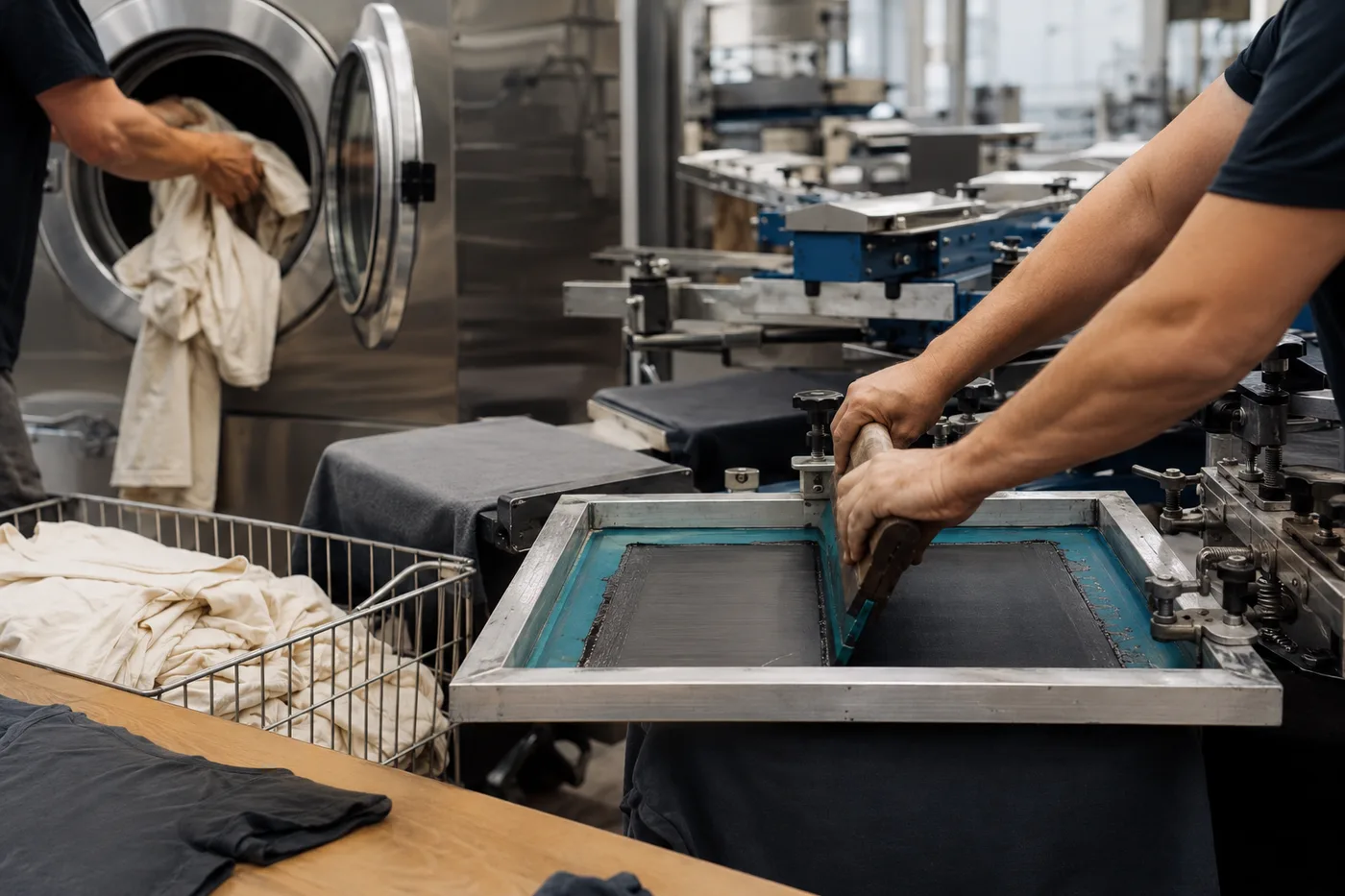
Pigment inks contain coloured particles mixed with a binder. During printing, the ink is pushed into the surface of the fleece. Heat curing then sets the binder so the colour particles stay attached to the fibres. Because the ink does not build a thick layer, the print keeps much of the fabric texture and feels soft. Because it does not chemically remove or replace dye, it can work on a wider range of base colours than discharge printing.
The weak points are opacity and rub resistance. On dark fleece, light pigment colours may need an underbase or several passes, which makes the print firmer. If curing is too short or too cool, the binder does not fully set and the print can fade or rub off too quickly. That is why a good manufacturer controls curing time and temperature closely and tests every new ink and fabric combination. If you also print tees, our pigment print t-shirt manufacturer guide covers jersey-specific points.
Want soft prints on heavyweight fleece? Weavnora prints on heavyweight hoodies with soft-hand inks and can strike off your artwork in pigment and alternative inks so you can compare handfeel before bulk. See our special printing page for the base styles and fabrics we work with, then request a quote with your style, fabric and quantities. MOQ depends on style and fabric, so we confirm it in your quote.
Pigment vs plastisol vs discharge: which option fits?
| Selection criteria | Pigment ink | Plastisol ink | Discharge ink |
|---|---|---|---|
| Handfeel | Soft, matte | Firm, slightly raised | Very soft |
| Best on | Light to mid fleece, dark with underbase | Any colour | Dark, cotton-rich fleece |
| Opacity on dark bases | Medium | High | Depends on dye |
| Wash behaviour | Gentle fade | Holds colour, can crack | Fades evenly |
| Colour matching | Good | Very good | Harder, varies by dye lot |
| Common use | Lifestyle, washed and vintage styles | Bold graphics, merch | Premium soft-hand prints |
The trade-offs are softness against brightness and opacity. Pigment printing gives a soft, natural look with good colour range, but very bright colours on black fleece may need extra layers that reduce softness. Plastisol gives the boldest, most consistent colour but feels heavier. Discharge is the softest on dark garments but depends on the dye. Compare with our discharge print hoodie manufacturer guide and screen printed hoodie manufacturer guide.
Which hoodie fabrics and colours suit pigment prints?
Cotton-rich fleece takes pigment ink best because the binder grips cotton fibres well. High polyester blends can work, but adhesion and handfeel vary, so test them. Brushed fleece has a fuzzy surface that can make edges look soft; for crisp fine lines, a smoother face such as french terry or a less heavily brushed fleece works better.
Light and mid base colours give the easiest results. On black or navy, decide whether you accept a slightly muted, washed look, which many vintage-style brands want, or need full brightness, which may call for an underbase. Our french terry vs fleece hoodie fabric guide explains how fabric face affects print.
How do pigment prints behave after garment washing?
Pigment prints are popular on washed hoodies because they fade together with the garment. A pigment-printed hoodie that is then enzyme or stone washed often looks naturally aged. The amount of fade depends on wash strength and curing quality. If the print is washed before it is fully cured, it can fade unevenly or lose detail. Ask the factory to cure fully, rest the pieces, and then wash. For dyed bases, the pigment dyed hoodie manufacturer guide shows how pigment dye and pigment print can be combined.
What tests should you request?
Ask for a wash test on the printed sample, usually several home-wash cycles, and check fade, cracking and edge sharpness. A dry and wet rub test shows whether colour transfers onto other fabrics. Check stretch at the print edge, especially on large chest prints. Record curing settings on the approved strike-off so bulk uses the same conditions. Our hoodie quality control checklist includes print inspection points, and the custom hoodie and sweatshirt manufacturing guide shows the full development path.
How should you brief the factory?
Send artwork with Pantone references, the hoodie colour, desired handfeel, whether the hoodie will be washed, and a reference garment if you have one. Ask the factory to recommend pigment or an alternative ink for each colour, because a mixed approach sometimes gives the best result.
When is pigment printing the wrong choice?
Pigment printing is not ideal for every design. Very small, high-contrast details on dark fleece can lose sharpness. Designs that need neon or metallic effects are better served by specialty plastisol or foil. Hoodies for sports teams that are washed hot and often may need a more durable ink system. If your artwork needs a raised or textured effect, puff or high density printing is a better fit. A good manufacturer will tell you when another method suits a graphic better and may suggest combining inks: pigment for the large soft areas and a more opaque ink for small bright accents. Asking for two strike-offs side by side, one in pigment and one in an alternative ink, is the quickest way to decide with confidence.
Pigment print hoodie manufacturer: typical specs and key numbers
| Spec | Typical estimate range |
|---|---|
| Cotton-rich fleece weight | 300-400 GSM |
| Curing temperature | 150-170 C |
| Curing time | 2-4 minutes |
| Strike-off time | 5-10 days |
| Bulk production after approval | 25-40 days |
| Print placement tolerance | 0.5-1.5 cm |
| Fade after garment wash | 10-30% visual fade, depending on wash |
| MOQ (pcs per style and colour) | Depends on style and fabric; confirmed in your quote |
These are typical industry estimate ranges for planning, not quotes; confirm actual figures with your supplier for your fabric, quantity and destination.
Key takeaways
- A pigment print hoodie manufacturer uses binder-based inks for soft, matte prints.
- Pigment printing is softer than plastisol and more colour-flexible than discharge.
- Cotton-rich fleece and light to mid bases give the best results.
- Full curing before washing is essential for even fade and durability.
- Request wash and rub tests and record curing settings on the approved strike-off.
Request a pigment print hoodie quote
Ready to test a softer print on your hoodies? Send your tech pack or reference images, fabric preference, colours and quantities through our quote request form. MOQ depends on style and fabric, so we confirm it in your quote together with sampling time, approval steps and an itemised price.
Buyer questions
Frequently asked questions
What is pigment printing on hoodies?
A print method where pigment particles are bonded to the cotton with a binder, giving a soft matte finish.
Is pigment print softer than plastisol?
Yes, pigment prints are usually thinner and softer, though bright colours on dark fleece may need extra layers.
Can pigment prints be garment washed?
Yes, once fully cured they fade gently with the garment, which suits vintage styles.
Does pigment printing work on polyester blends?
It can, but adhesion and handfeel vary, so test the exact fabric first.
What is the MOQ for pigment print hoodies?
MOQ depends on style and fabric, so we confirm it in your quote.
Start a sourcing conversation
Share quantity, target GSM, destination and sample requirements.
Start your RFQ →Email files to postmaster@weavnora.com.