oem-odm · B2B PROCUREMENT
Enzyme Wash Hoodie Manufacturer: Soft Washed Fleece Guide
By Weavnora · Updated
Direct answer
What buyers need to know
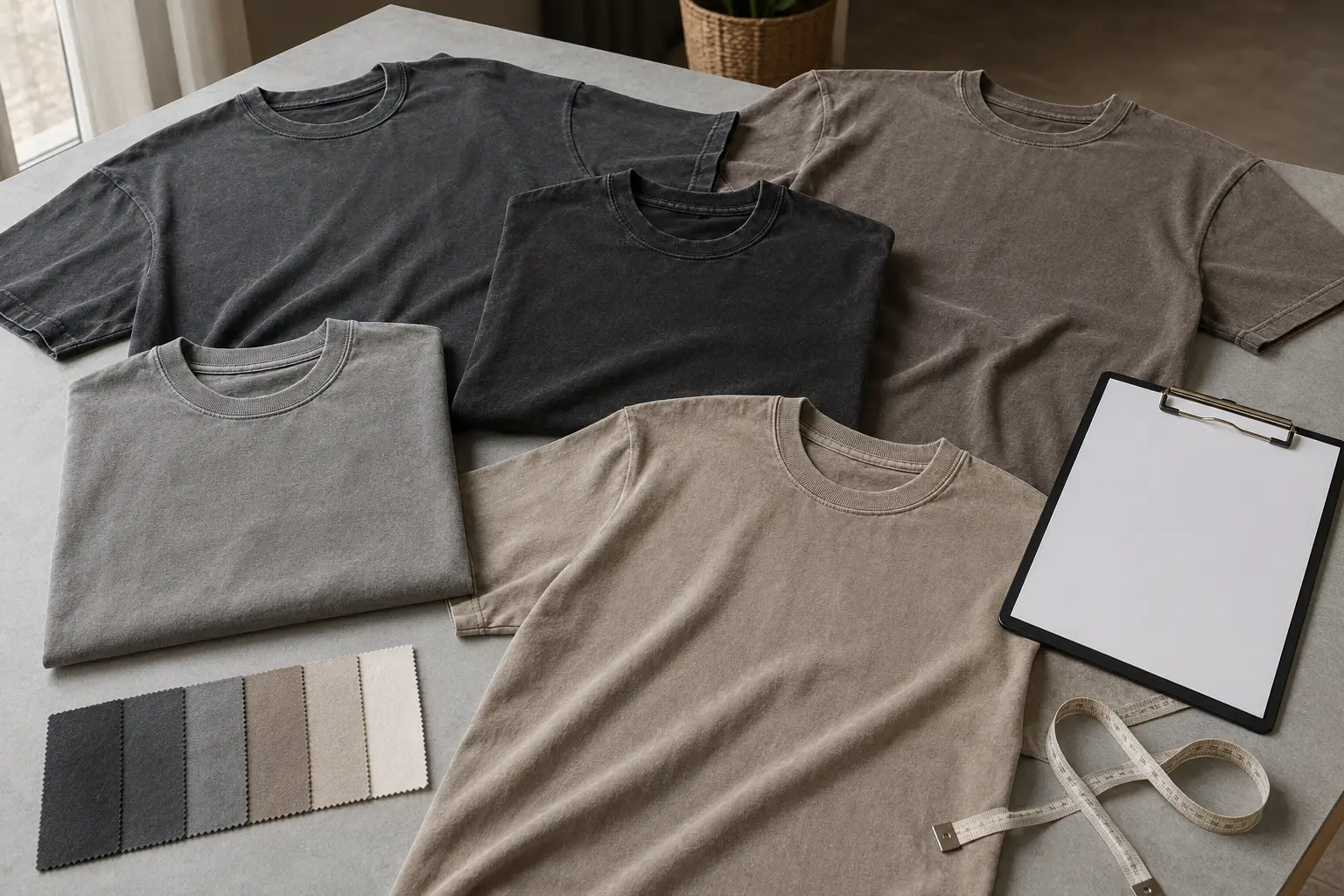
Enzyme wash hoodie manufacturer programs wash finished 350-500 GSM fleece hoodies with cellulase enzymes to soften the surface, reduce fuzz and add a slight fade. Plan 2-3 wash sample rounds, 10-15 days per sample and 30-45 days for bulk, with 3-6% shrinkage built into the pattern and MOQ depending on style and fabric.
Enzyme wash hoodie manufacturer programs wash finished 350-500 GSM fleece hoodies with cellulase enzymes to soften the surface, reduce fuzz and add a slight fade. Plan 2-3 wash sample rounds, 10-15 days per sample and 30-45 days for bulk, with 3-6% shrinkage built into the pattern and MOQ depending on style and fabric.
A brand-new fleece hoodie often feels stiff and looks a little too clean. Enzyme washing is one of the simplest ways to change that. By washing the finished hoodie with cellulase enzymes, the factory softens the fabric, reduces surface fuzz and adds a gentle, broken-in look. It is softer than acid or stone washing and keeps more strength in the fabric, which makes it a favourite for premium basics and streetwear hoodies. It still changes size, shade and surface, so it must be planned in the pattern and approved on washed samples. This guide explains how an enzyme wash hoodie manufacturer works, what to specify and how enzyme wash compares with other finishes.
What is an enzyme wash hoodie manufacturer?
An enzyme wash hoodie manufacturer is a garment factory that sews hoodies first and then washes them in industrial machines with cellulase enzymes, which gently break down surface fibres on cotton fleece. The wash removes fuzz, softens the hand feel and gives a subtle worn look without harsh chemicals. Most programs use 350-500 GSM cotton fleece, build 3-6% shrinkage into the pattern and approve 2-3 wash sample rounds before bulk.
How does enzyme washing work on a hoodie?
The process takes place after the hoodie is sewn:
- Load. Finished hoodies go into an industrial washing machine with water, enzymes and controlled temperature and pH.
- Enzyme action. Cellulase enzymes attack loose surface fibres and fuzz on the cotton, which are then rubbed away by the tumbling action.
- Stop. The enzyme is deactivated with temperature or pH change at the end of the cycle, so it does not keep working.
- Softener and dry. A softener may be added, and hoodies are tumble dried, which also sets shrinkage.
Wash level is controlled by enzyme dose, time and temperature. A light wash softens the hand with little visible fade; a stronger wash gives a more worn surface and slightly lighter shade. Enzyme washing can also be combined with garment dyeing for a soft, colour-rich look. For dye options see our garment dye specification for fleece hoodies.
Want a softer, lived-in hand feel on your hoodies? Weavnora runs garment washes on heavyweight hoodies and approves a washed sample for hand feel, shade and size before bulk. See our vintage wash hoodies page for the base styles and fabrics we work with, then request a quote with your style, fabric and quantities. MOQ depends on style and fabric, so we confirm it in your quote.
Which hoodies and fabrics suit enzyme wash?
- Fibre: enzymes act on cellulose, so 100% cotton or high-cotton fleece reacts best. Polyester in a blend does not soften the same way.
- Weight: 350-500 GSM fleece or French terry holds up well to washing. Lighter fabrics can lose too much body.
- Construction: use cotton thread or thread that takes the wash well, and check that rib, drawcord and labels can be washed without shrinking differently.
- Trims: metal eyelets and aglets should be rust-resistant. Printed labels should be tested for fading.
Weights and fabric types are compared in the hoodie fleece GSM guide.
How do you control shrinkage and pilling?
Garment washing shrinks cotton fleece, so the pattern must be cut larger. Typical shrinkage after an enzyme wash is about 3-6% in length and width, but the exact figure depends on the fabric and wash, so it is measured on wash tests and built into the pattern. Specify finished measurements after wash in your tech pack. Enzyme washing usually reduces pilling because it removes loose surface fibres, but too strong a wash can weaken the fabric. Ask for a pilling and strength check on the washed sample. Our hoodie tech pack template shows how to record after-wash measurements.
Enzyme wash vs acid wash vs plain finish: which option fits?
| Selection criteria | Enzyme wash | Acid or mineral wash | Plain finish, no wash |
|---|---|---|---|
| Hand feel | Very soft | Soft to dry | Firm, new |
| Visible fade | Light to medium, even | Strong, mottled | None |
| Fabric strength loss | Low to medium | Medium to high | None |
| Shrinkage control | Built into pattern | Built into pattern | Fabric pre-shrink only |
| Shade consistency lot to lot | Good | Medium | Very good |
| Best for | Premium basics, soft streetwear | Vintage, statement pieces | Clean basics, sharp prints |
The trade-offs are softness versus character and control. Enzyme wash gives the softest hand with an even, subtle fade and modest strength loss. Acid or mineral wash gives a bold vintage look but more shade variation and strength loss. No wash keeps the cleanest colour and sharpest print but feels newer. For strong vintage effects, see the acid wash hoodie manufacturer and snow wash hoodie manufacturer guides.
Should you print before or after the enzyme wash?
Both are possible. Printing before the wash softens and slightly fades the print with the garment, which gives a matched, lived-in graphic. Printing after the wash keeps the print bright and exact. Water-based and discharge inks wash down naturally; plastisol can crack or lose gloss. Embroidery generally survives enzyme washing well, but thread colour can shift, so test it. If you are unsure, sample one piece each way and compare.
How do you approve enzyme wash samples?
Ask for a wash standard: two or three pieces washed at different levels, labelled light, target and strong. Pick the target and seal it with a shade and hand-feel tolerance. Then approve a washed fit sample in two or three sizes to confirm the after-wash measurements. During bulk, the factory should record enzyme type and dose, time, temperature, pH, softener and dryer settings, and check the first wash lot against the sealed standard. Shade can vary slightly between lots, so ask for lot shade checks and keep each lot together in packing. The custom hoodie and sweatshirt manufacturing guide shows where washing sits in the production schedule.
Enzyme wash hoodie manufacturer: typical specs and key numbers
| Spec | Typical estimate range |
|---|---|
| Hoodie body fabric | 350-500 GSM cotton fleece or French terry |
| Shrinkage built into pattern | 3-6% |
| Wash sample rounds | 2-3 rounds |
| Home wash check after factory wash | 3-5 cycles |
| Sample lead time per round | 10-15 days |
| Bulk production after approval | 30-45 days |
| MOQ (pcs per style and colour) | Depends on style and fabric; confirmed in your quote |
These are typical industry estimate ranges for planning, not quotes; confirm actual figures with your supplier for your fabric, quantity and destination.
Key takeaways
- Enzyme wash uses cellulase enzymes on finished cotton hoodies to soften the surface and reduce fuzz.
- Use 100% cotton or high-cotton 350-500 GSM fleece for the best reaction.
- Build about 3-6% shrinkage into the pattern and specify measurements after wash.
- Choose enzyme wash for soft, even premium hoodies; acid or mineral wash for bold vintage looks.
- Seal a wash standard with shade and hand-feel tolerance and record all wash settings.
Request a enzyme wash hoodie manufacturer quote
Ready to sample an enzyme washed hoodie? Send your tech pack or reference images, fabric preference, colours and quantities through our quote request form. MOQ depends on style and fabric, so we confirm it in your quote together with sampling time, approval steps and an itemised price.
Buyer questions
Frequently asked questions
What is an enzyme wash hoodie?
It is a hoodie washed after sewing with cellulase enzymes, which remove surface fuzz and leave the fleece softer with a subtle worn look.
Does enzyme washing shrink hoodies?
Yes. Cotton fleece usually shrinks about 3-6% during garment washing, so the pattern is cut larger to reach the final size.
Is enzyme wash the same as acid wash?
No. Enzyme wash softens and lightly fades evenly, while acid wash uses oxidizing agents for a strong, mottled vintage pattern.
Can enzyme wash hoodies be printed?
Yes. You can print before the wash for a faded, matched look or after the wash for a bright, exact print.
What is the MOQ for enzyme wash hoodies?
MOQ depends on style, fabric and colours. Send your tech pack and quantities through a quote request for an exact answer.
Start a sourcing conversation
Share quantity, target GSM, destination and sample requirements.
Start your RFQ →Email files to postmaster@weavnora.com.